





Milk shapes the flavor, texture, sweetness, and balance of a drink. That’s why whole milk has long been the default in lattes and cappuccinos. Its clean flavor lets the coffee shine, and the balance of proteins and fats gives steamed milk that smooth, velvety texture people love.
But whether for health reasons, sustainability, or simply to try something new, more and more coffee drinkers are reaching for non-dairy options. And once you do, it quickly becomes clear that these milks don’t all behave the same way. Some are naturally sweeter or richer; others are thinner or have a more distinct taste. Certain alternative milks bring out nutty or chocolatey notes in espresso, while others highlight fruitiness or acidity. And steaming adds another layer: some stretch beautifully, while others fall flat.
We see this every day in our cafés and at home. After years of working with different non-dairy milks in iced drinks, drip, and espresso, we’ve learned which ones hold up under heat, which ones complement certain roasts, and which ones make a drink taste and feel complete. If you’re exploring alternative milk options for your coffee, here’s what we’ve found makes a difference.
What to consider when choosing a milk alternative for coffee
Not all plant-based milks complement coffee the same way. To evaluate how milk performs in a drink, we tend to look at three main criteria:
-
Flavor: How does the milk taste with coffee? Does it bring out sweetness, add balance, or compete with the coffee’s tasting notes? Some milks soften acidity or highlight fruitiness; others introduce nuttiness or added brightness.
-
Texture: Is the milk rich and smooth or thin and watery? Fat and protein shape mouthfeel as much as taste, especially in steamed drinks. A milk that holds structure under heat will have a creamy texture; one that doesn’t separate or lose definition.
-
Nutrition: What is the milk’s sugar, fat, and vitamin content? Nutrition can vary widely across non-dairy milks. The healthiest choice depends on what matters most to you, whether that’s low calories, added nutrients, or overall balance.
Best-tasting non-dairy milks for coffee
Look for milks that complement coffee rather than compete with it. Oat milk is a reliable favorite because of its naturally balanced profile. It brings a gentle sweetness that doesn’t overwhelm the coffee’s flavor, even when steamed, its neutral taste highlighting the coffee in a similar way to dairy milk.
If you’re looking to add a little dimension to your coffee, coconut milk is a flavorful option, particularly in iced lattes. Its richer flavor brings another layer to your drink, highlighting the coffee’s complexity rather than masking it. Almond and pistachio milks offer a similar depth and subtle nuttiness that works beautifully when paired with medium roasts.
Some non-dairy milks can carry a bitterness that overpowers the coffee, but the best-tasting milk ultimately depends on what you want the drink to feel like. If you’re aiming for clarity and balance, oat milk is the standout choice. If you’re curious about how milk can shape and elevate flavor, coconut, almond, and pistachio milks are worth exploring.
Best alternative milk for steaming
If you love lattes and cappuccinos, steaming may be the most important factor to consider. Oat milk stretches predictably, holds microfoam well, and creates a texture that feels close to dairy: smooth, creamy, and stable for great pours. Compared to almond milk, which can sometimes be trickier to stretch, oat milk generally produces more consistent results.
Still, steaming technique matters just as much as the milk itself. Most alternative milks benefit from slightly more stretching than dairy, and learning how to aerate the milk with sound and feel can make all the difference. Barista blends make it easier to steam to the perfect texture, their higher fat content resulting in a more stable foam.
When steaming is your priority, a barista-style oat milk offers the closest substitute for whole milk. It creates a creamy microfoam that blends beautifully with espresso and offers a neutral, slightly sweet flavor.
Healthiest milk alternatives for coffee
Because nutrition looks a little different for everyone, the healthiest non-dairy milk depends on your goals. Dairy milk naturally contains protein, vitamins, and omega-3 fatty acids, while alternative milks vary in nutritional value. Some are fortified with vitamins, some are naturally lower in calories, and others are rich in heart-healthy fats.
If reducing sugar is your priority, check the label for unsweetened varieties. If you’re looking to substitute the nutrients in dairy milk, look for fortified versions that are higher in protein and omega-3s. Note that barista blends, which are popular for their texture and performance, are usually formulated to have a higher fat content.
There isn’t one non-dairy milk that stands out as the healthiest. Instead, think about what kind of health benefits you’re after. With so many options available, there’s room to choose based on nourishment as much as taste and texture.
You might also like: Health Benefits of Coffee: Why Your Morning Brew is Better Than You Think
Our top non-dairy milk recommendations
Over years of experimenting with and tasting a number of non-dairy milks, we’ve learned a lot about how they behave in the cup. These are the alternative options we’ve found consistently deliver a balanced, enjoyable coffee experience.
Oat milk
Best overall
Our favorite all-around non-dairy milk. It delivers a naturally creamy texture that blends seamlessly into hot drinks without separating, making it especially popular for lattes and cappuccinos. Oat milk also tends to have a mild, neutral flavor that doesn’t overpower the coffee and tastes great in hot or iced drinks. If you want something rich, dependable, and easy to froth at home, oat milk is a strong choice.
Our favorite coffees to enjoy with oat milk:
-
Blue Boy – A balanced blend that perfectly harmonizes with oat milk, with a profile of chocolate, graham, and brown sugar.
-
Colombia, Landmark – Nuanced notes of caramel, nutty, and citrus that really shine in oat milk.
Learn more: 4 Best Oat Milks for Coffee
Almond milk
Best for drip coffee
Mild and versatile, almond milk is a favorite in iced lattes and drip coffee. Its sweet, nutty flavor complements coffee well, and it offers a lighter, less creamy texture. While it’s thinner than oat milk, it can still create a respectable microfoam with good technique. Almond milk also tends to be lower in calories than dairy and many alternative milks, making it a great option for those focused on nutrition.
Our favorite coffees to enjoy with almond milk:
-
Belly Warmer – Rich, bold flavors that stand up to almond milk and bring out its nuttiness with notes of dark chocolate and almond butter.
-
Costa Rica, La Pastora – Clean and classic with a balance of almond, gingersnap, and plum that celebrates the unique flavor of almond milk.
Coconut milk
Best for iced lattes
Coconut milk doesn’t mimic dairy, and it isn’t trying to. Instead, it brings depth of flavor and a rich, velvety texture for a creamy mouthfeel. The subtle coconut flavor adds a hint of sweetness with nutty notes, introducing complexity to iced lattes and drip coffee without overshadowing the espresso. Its low protein and fat content can make it more difficult to steam, but some barista blends foam surprisingly well.
Our favorite coffees to enjoy with coconut milk:
-
Late Night – A roasty blend, offering a nutty yet sweet profile that shines through the coconut milk.
-
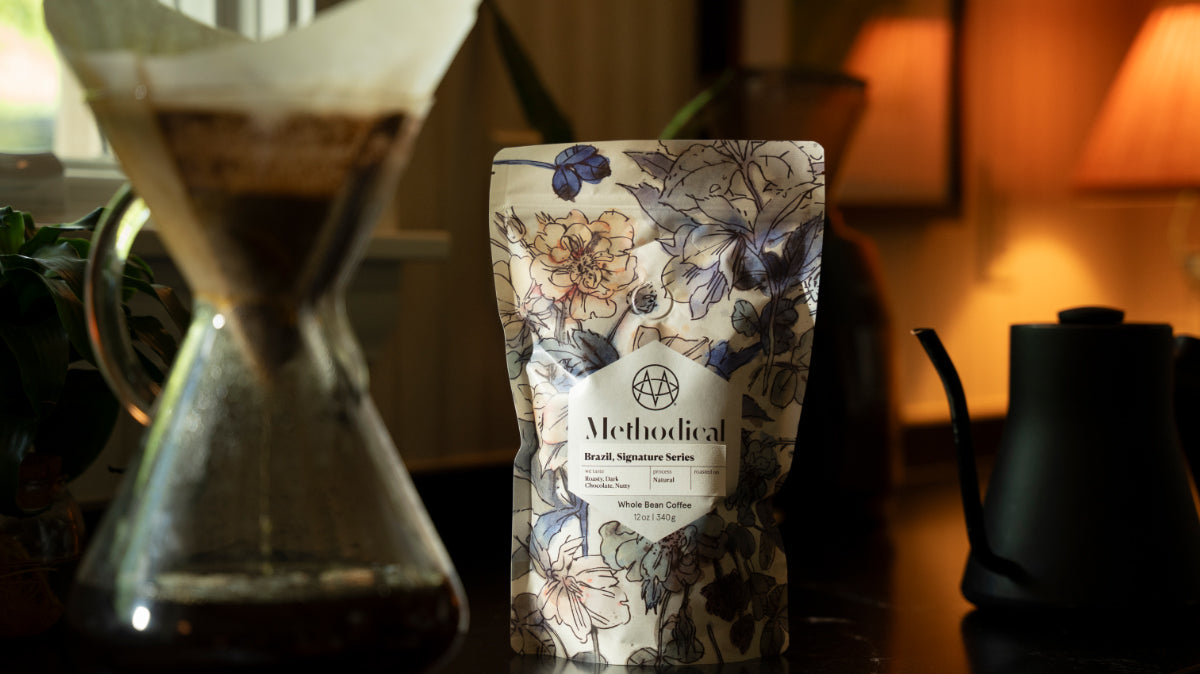
Brazil, Signature Series – Roasty, dark chocolate, and nutty notes that highlight coconut milk’s unique sweetness and nuttiness.
Other milk alternatives that work well in coffee
While oat, almond, and coconut top the list of our non-dairy recommendations, there are endless flavors and textures worth exploring. Whether you’re needing to replace dairy or experimenting as a home brewer, here are some additional alternative milks worth exploring:
-
Soy milk: A classic dairy substitute with a mild flavor. It tends to curdle when introduced to heat and acidity, making it difficult to steam, but creates a smooth, creamy texture with good technique.
-
Pistachio milk: Lightly sweet with a subtle nutty depth, pistachio milk pairs beautifully with espresso, adding nuance without dominating the cup. It steams fairly well but can be prone to curdling.
-
Cashew milk: Creamy and soft on the palate, cashew milk blends smoothly into coffee and supports delicate espresso notes. Its naturally mild flavor makes it great in both hot and iced drinks.
-
Macadamia milk: Buttery, rich, and slightly sweet, macadamia milk brings a decadent texture to lattes. It can be finicky to steam, but tastes delicious in iced coffees and lattes, offering creaminess without heaviness.
-
Hazelnut milk: Nutty and slightly bitter, hazelnut milk adds a bold flavor that pairs best with mochas and other sweetened coffee drinks. Although it doesn’t hold up well to steaming, it can add pronounced character to your cup.
-
Hemp milk: Earthy and slightly nutty, hemp milk has a strong flavor but can highlight deeper notes in espresso. It has a thinner texture but froths decently well and works nicely in drip and iced coffee.
-
Rice milk: Light-bodied and subtly sweet, rice milk blends smoothly into brewed coffee without altering flavor too dramatically. However, its thin texture froths poorly, so it’s not the best choice for lattes and cappuccinos.
Cheers to variety
From versatile oat milks to barista-style nut milks, there are more options today than ever for those seeking a non-dairy milk alternative for coffee. To find the best fit for your preferences, consider the taste and texture, as well as how you enjoy your coffee.
Whether you’re managing dietary restrictions, expanding your palate, or reducing your carbon footprint, we encourage you to try out one of these non-dairy options in your next cup of coffee—it might just become your new go-to!
You might also like: