


Most people fix weak coffee the same way: add more grounds and hope the next cup lands stronger. Reaching for more coffee is a fair instinct, and if your cup is thin and watery, fixing the balance of coffee to water is the right move. But if your cup tastes sour, sharp, or flat, adding more grounds won’t fix the problem.
That’s because “weakness” is usually a misunderstanding of how coffee brewing works. How a cup tastes and feels in your mouth comes down to two distinct concepts: concentration and extraction. Once you learn how to tell what’s causing your brew to taste weak, fixing a bad cup becomes a matter of adjusting the right variable rather than guessing.
Read on to find out why your coffee tastes weak and how to dial in a rich, balanced cup.
Why Is My Coffee Weak?
When coffee tastes “weak” or watery, it comes down to concentration: the brew is simply too diluted. This means there is too much water for the amount of coffee grounds used.
Think of concentration as the intensity and mouthfeel of the liquid. Drip coffee should feel balanced on the palate, while concentrated methods like espresso have a much denser, heavier mouthfeel because they contain more dissolved coffee solubles per drop of water.
If your coffee feels thin or watery, tighten your brew ratio by using slightly more coffee for the same amount of water.
What Is Extraction (and How Is It Different Than Strength?)
While concentration determines how heavy or watery a coffee feels, extraction determines how the coffee tastes.
Extraction refers to the yield of flavor compounds pulled out of the grounds during brewing. If your coffee’s flavors are muted or unbalanced, the problem is extraction, not strength. When your brew tastes sour, sharp, or lacking in sweetness, it is under-extracted; when it tastes flat or bitter, it is overextracted.
Here’s a simple way to think about the difference:
-
Strength (concentration): How watery or rich the cup feels in your mouth, controlled by the coffee-to-water ratio
-
Extraction: Which flavor compounds were dissolved from the grounds, controlled by grind size, brew time, and water temperature
Being able to distinguish between weak coffee and unbalanced flavors can help you adjust the right lever to fix your cup.
Common Causes of Weak and Unbalanced Coffee
Once you identify what’s causing your coffee to taste off, you can dial it in by changing a few straightforward variables. The harder part is recognizing whether the problem is concentration or extraction. Find what’s causing a weak or unbalanced brew using the taste descriptors below.
If Your Coffee Tastes Watery or Thin
Your coffee is not concentrated enough. Weak coffee is watery or thin, meaning the grounds did not release enough soluble compounds.
How to fix it: Tighten the coffee-to-water ratio by either using more coffee or less water.
If Your Coffee Tastes Sour or Sharp
It’s under-extracted. Coffee can taste sour or sharp when it doesn’t have the chance to extract the sweeter flavor compounds from the coffee grounds. This could be the result of using a grind size that’s too coarse, not brewing long enough, or brewing with water that’s too cool.
How to fix it: Use a finer grind size, increase contact time, or brew with slightly hotter water.
If Your Coffee Tastes Flat or Bitter
It’s over-extracted. A flat-tasting brew can easily be mistaken as weak, but it’s usually a sign that too many flavor compounds have been extracted, preventing clear notes from coming through. Some causes of over-extracted coffee include using a grind size that’s too fine, brewing for too long, or brewing with water that’s too hot.
How to fix it: Use a coarser grind size, shorten contact time, or brew with slightly cooler water.
If Your Coffee Tastes Dull or Stale
Even a dialed-in brew tastes flat if the beans are stale or were pre-ground weeks ago. Over time they lose the oils and aromatics that give a cup its body and richness, and no amount of adjustment to ratio or temperature will fully compensate.
How to fix it: Always use freshly roasted whole bean coffee and grind right before brewing for a balanced taste.
Reliable Brew Ratios for Fixing Weak Coffee
Use these coffee-to-water ratios as a starting point. Lower numbers (like 1:14) yield a stronger cup, while higher numbers (like 1:18) yield a lighter cup.
|
Brew Method |
Coffee-to-Water Ratio |
Grind |
Brew Time |
|
Drip |
1:15 to 1:17 |
Medium coarse |
About 5 min |
|
Pour over |
1:14 to 1:16 |
Medium |
3 to 4 min |
|
French press |
1:12 to 1:16 |
Coarse |
About 4 min |
|
Espresso |
1:2 to 1:3 |
Fine |
25 to 35 sec |
Brew with the variables that match your setup, then adjust if your coffee tastes too weak or too strong. If the cup feels weak or watery, tighten the ratio next time. If it’s too strong or heavy, use slightly less coffee.
FAQs About Weak Coffee
Why does my coffee taste weak even though I’m using dark roast?
Dark roasts are known for their bold, roasty flavors, but “weakness” comes down to concentration, not roast level. Dark beans are slightly less dense than light roasts. If you measure with a scoop instead of a digital scale, a scoop of dark roast actually gives you fewer grams of coffee, resulting in a watery cup.
If your dark roast coffee feels weak and watered-down, try adding more coffee the next time you brew.
Can I fix a weak cup that I already brewed?
Unfortunately, you cannot fix a weak or watery cup of coffee simply by running it through fresh grounds a second time. This leads to heavy over-extraction, leaving you with a cup that’s unpleasantly bitter and astringent.
Instead, try adding a shot of espresso, turning it into coffee ice cubes, or saving it to use in chocolate baking recipes.
Does coffee get weaker over time?
Coffee beans don’t lose caffeine, but they do lose body and flavor. As beans age, they degas carbon dioxide and lose the aromatics that give coffee its rich flavor. Water rushes through stale grounds too quickly, leaving you with a thin, hollow-tasting cup no matter how much coffee you use.
For the most balanced, flavorful brew, aim to use whole bean coffee within two to four weeks of the roast date, and grind right before you brew.
Does weak coffee have less caffeine?
Coffee with a low concentration tastes weak because you used fewer coffee grounds relative to your water. Since caffeine comes directly from the coffee grounds, using less coffee means there is less caffeine available to dissolve into your cup. The opposite is also true: adding more coffee grounds adds more caffeine.
However, total volume matters, too. If you drink a large 16-ounce mug of “weak” coffee, you are still consuming more total caffeine than what’s in a small 8-ounce cup of balanced coffee—simply because the larger cup used more total grounds to brew.
Learn more: Coffee Intensity vs. Caffeine Content: Why They're Not the Same
Dial In Your Perfect Cup
Fixing weak coffee is simple. You do not need new equipment or a chemistry degree, just a clear idea of which lever to move.
If your coffee feels watery, adjust your ratio. If it tastes sour or bitter, adjust your grind size or brew time. Make small, deliberate tweaks, taste the result, and dial it in from there.
Remember that no adjustment can compensate for stale grounds. Starting with freshly roasted, high-quality whole bean coffee gives your water the best foundation to extract a rich, vibrant cup every morning.
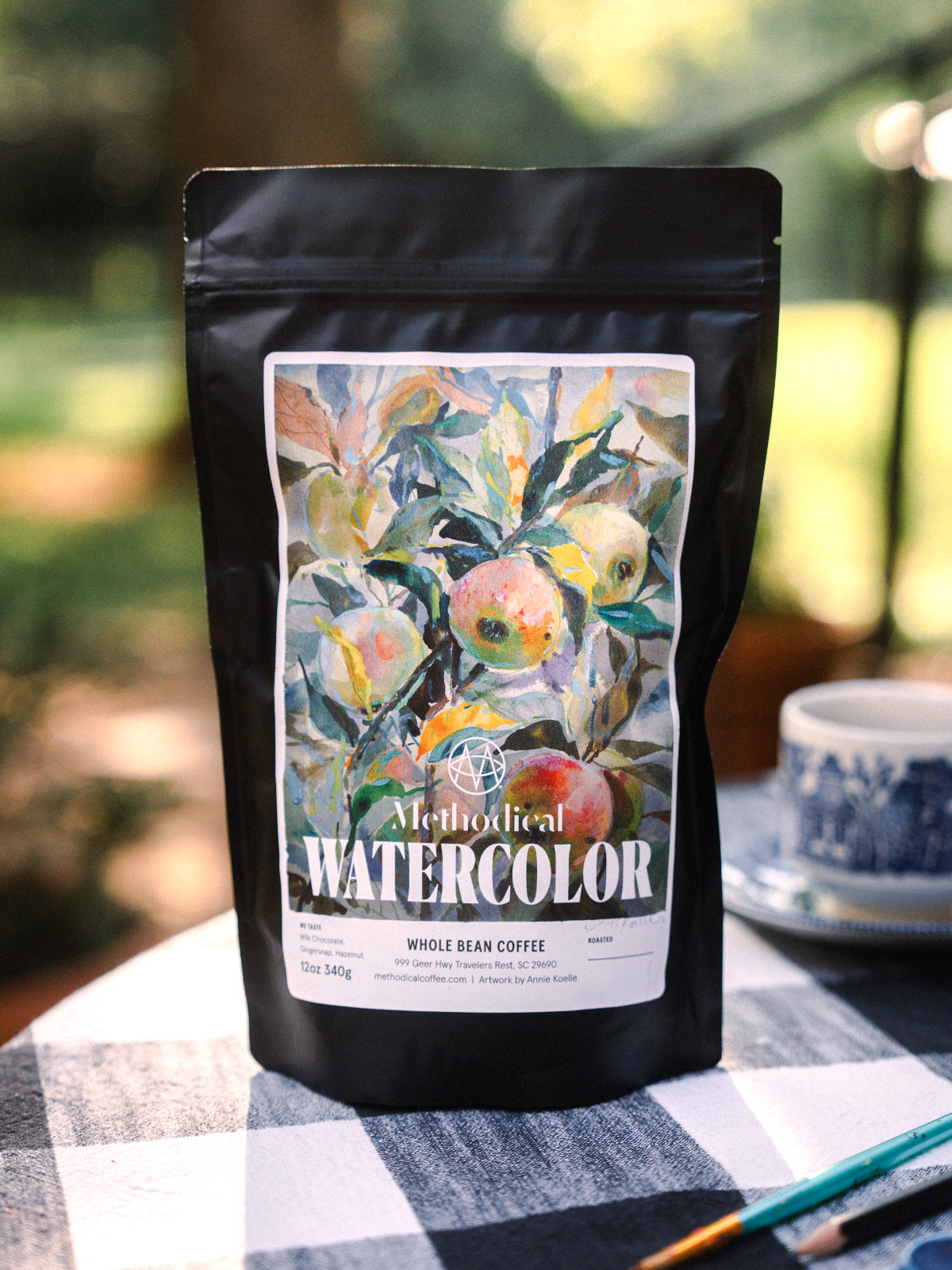
Explore our full selection of freshly roasted coffee and set yourself up for a stronger cup.
You might also like: